Trending

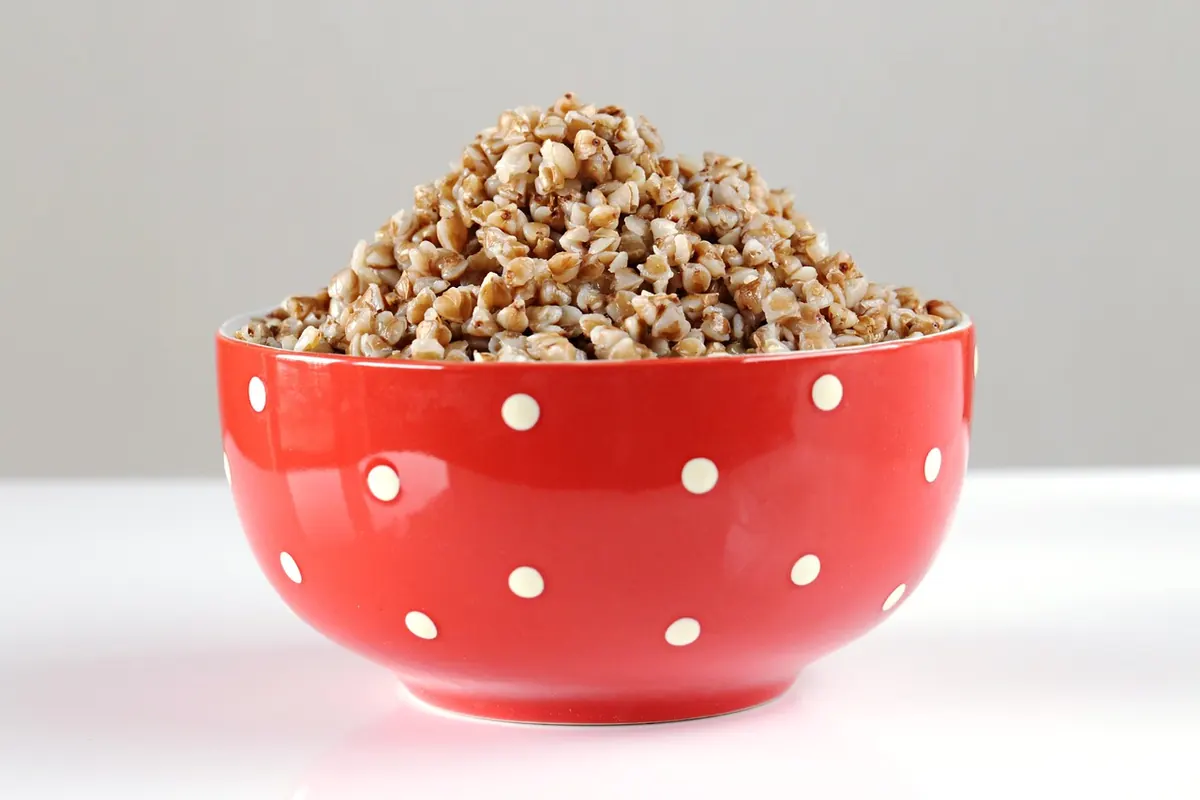
There is a particular disappointment in lifting the lid on a pot of farro and finding porridge. The grains you pictured tossing with roasted tomatoes and olive oil have fused into a pale, sticky mass, and no amount of dressing will separate them again. The fix is not a secret technique. It comes down to three decisions: knowing which version of the grain you bought, giving it the right amount of water, and tasting early enough to pull it off the heat while it still has a spine. Get those three things right and farro, barley, and freekeh all finish tender, distinct, and faintly chewy — the way they are supposed to be.
The single most common reason whole grains turn to mush is that the cook treats every bag as if it were the same grain. It is not. Farro is sold whole, semi-pearled, and pearled; the pearled version has had most of its bran scoured away, so it drinks far less water and cooks in roughly half the time. Barley splits into two very different products too: pearl barley, which is polished and quick, and hulled barley, which keeps its bran and needs a long, gentle simmer. Freekeh, which is durum wheat harvested green and then roasted, comes whole or cracked, and the cracked version behaves more like coarse bulgur than a true whole grain.
The practical consequence is simple. A bag of pearled farro and a bag of whole farro can differ by twenty-five minutes on the clock and by nearly a cup of water. Read the label, and if it says nothing, assume the longer, thirstier version and start tasting early.
These are absorption-method starting points for one cup of dry grain in a heavy pot with a tight lid. Treat them as a range, not a rule: an old, dry grain from the back of the cupboard will take more water than a fresh one, and a wide pot will evaporate more than a narrow one.
If you want a safety net, boil the grains in a large pot of well-salted water — roughly five to six cups of water per cup of grain — and drain them when they are done. You lose a little of the nutty aroma to the water, but you gain the ability to taste every thirty seconds and stop exactly where you want. This is the method I use for hulled barley, which is the grain most likely to go from firm to collapsed while you are answering the door.
Two habits matter whichever method you choose. Bring the pot to a bare simmer rather than a rolling boil, because agitation knocks grains against each other and releases starch. And stir once at the start, then leave it alone; constant stirring is how risotto happens, and you are not making risotto.
Farro is forgiving in flavor and unforgiving in texture. It goes from pleasantly chewy to bloated quickly, usually within a three-minute window. Cook it until the grain gives under your back teeth but the center is still opaque rather than chalky. A good visual cue: a properly cooked grain of farro splits along its seam, opening like a tiny book, while the outside stays intact. If the grains have burst into a starchy cloud, you passed the point about two minutes ago.
For salads and pilafs, pull farro off the heat while it is still slightly firmer than you want to eat, drain off any loose water, and spread it on a tray to cool. It will finish cooking from its own heat, and the tray stops the process that a covered pot keeps going.
Barley carries more surface starch than farro, which is why it is beloved in soups and why it can turn gluey in a salad. Rinse pearl barley well before cooking and do not stir it. Pearl barley is done in about 25 minutes when the grains are tender at the edge with a small resistance in the middle; hulled barley needs closer to an hour and a soak helps the center cook evenly rather than leaving it hard while the outside softens.
If you are cooking barley for a soup, slightly undercook it and let it finish in the broth. If you are cooking it for a salad, use the pasta method, drain it thoroughly, and toss it with a splash of vinegar or lemon while still warm; the acid firms the surface and keeps the grains from clumping as they cool.
Freekeh is the most cooperative of the three. Its roasted, slightly smoky character survives long cooking, and the grains hold their shape better than barley. Cracked freekeh cooks in about the time it takes to make rice, and whole freekeh needs ten or fifteen minutes more. Both should stay distinctly chewy. The texture you are aiming for is closer to al dente pasta than to a soft grain pilaf, so taste at the twenty-minute mark and every few minutes after.
Because freekeh is already roasted, it browns quickly if you toast it in oil, which is worth doing for about two minutes over medium heat before adding water. Just keep it moving and add liquid before the grains darken too far, or the smoke turns bitter.
Timers tell you when to start paying attention. Your teeth tell you when to stop.
Rinse the grains, salt the water as you would for pasta, and choose a pot wide enough that the grains sit in a shallow layer rather than a deep column. Bring everything to a simmer, cover, and set the timer for ten minutes less than the shortest time in the range you expect. From there, taste every few minutes and trust what you find.
When the grains are right, drain any excess water and spread them on a baking sheet for five minutes before dressing them. Cooked grains keep in the refrigerator for about four days and freeze well in flat portions, which means the sensible move is to cook more than you need. Reheat them with a splash of water and a lid, and they will come back separate rather than sticky. One last note: if you are cooking for someone with a wheat allergy or celiac disease, barley and freekeh both contain gluten, and farro is a wheat, so check with a qualified health professional before making substitutions in a restricted diet.
Photo: u11116 / Pixabay