Trending

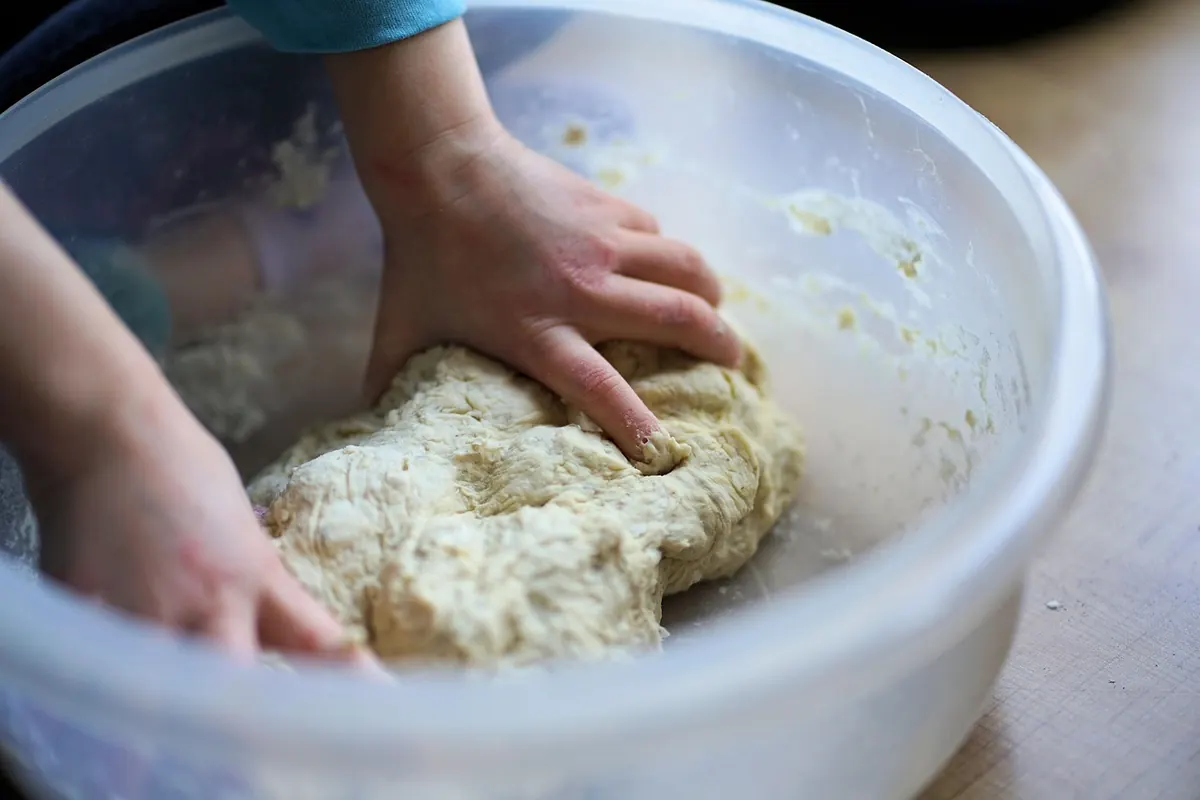
Gluten gets blamed for a lot and praised for the rest. In a wheat dough, it is simply what happens when two groups of proteins meet water and movement. That story matters to anyone who has watched a sticky blob turn into a smooth, elastic dough—or wondered why the same recipe collapses with a different bag of flour. Once you can picture the network forming, flour labels and dough feels become easier to read.
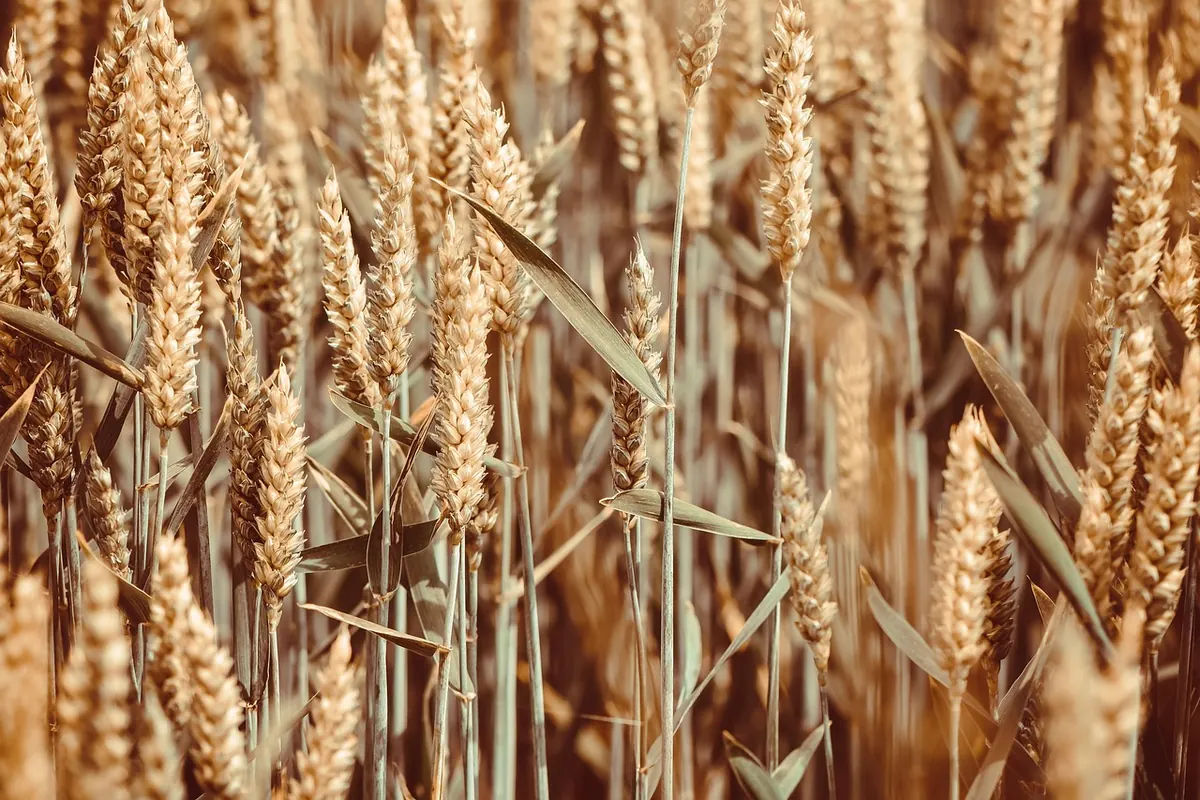
Wheat kernels store protein in the endosperm, the starchy part that becomes white flour. Two proteins matter most for baking: glutenin and gliadin. Dry, they sit alongside starch and do very little. Add water and work, and they link into a sticky, stretchy mass we call gluten.
Think of glutenin as the rubber band and gliadin as the soft putty. Glutenin gives dough elasticity—the will to spring back when you press it. Gliadin gives extensibility—the ability to stretch without tearing. Together they form a network that traps gas bubbles from yeast or chemical leaveners. That trapped gas makes bread rise and gives a chewy crumb its structure.
Gluten is not a single ingredient you can scoop from a jar; it is a structure that appears during mixing. That is why a high-protein flour does not automatically make a tender cake, and why a low-protein flour can still make a decent flatbread. Protein amount matters, but so does how you treat it.
Three things drive gluten development: hydration, mechanical work, and time. Miss one and the dough tells you. Give each its due and the dough becomes cooperative.
Flour proteins need water to unfold and connect. In a dry bowl they are dormant. As soon as you add liquid, the outside of each flour particle begins to hydrate. Whole wheat flour is thirstier than white flour because bran and germ absorb water and physically interrupt the protein network. A stiff whole wheat dough may soften after a twenty-minute rest as water spreads through the bran.
Kneading does more than mix. It stretches and aligns protein strands so they can bond. In a stand mixer that happens quickly; by hand, it takes longer. Stretch-and-fold routines do the same job more gently. The goal is not to punish the dough but to organize it. Underworked dough tears easily; overworked dough can turn tight and reluctant to extend.
To judge development, pinch off a small piece and stretch it gently between your fingers. If it stretches thin enough to let light through without tearing, the gluten is well developed. If it tears in jagged edges, keep mixing or give it another rest and fold. This test beats a clock because flour, humidity, and dough temperature all change the timing.
Rest is not a pause in the work; it is part of the work. During a rest, water continues to hydrate the flour, and the gluten network relaxes. That is why a dough that fights you after mixing can become smooth and easy to shape after twenty minutes. Longer fermentation adds flavor and changes the dough’s strength. A little acidity can make the network more extensible, which helps with high-hydration breads.
Walk down a flour aisle and you will see bags that all look like milled wheat. They behave differently for three main reasons: the wheat class, the protein level, and how much of the grain is included.
Hard wheat generally has more protein than soft wheat. Bread flour is usually milled from hard wheat and sits higher in protein than all-purpose flour, which sits above cake flour. But quantity is only half the story. Protein quality—the mix of glutenin and gliadin—also varies. Durum wheat, for example, has strong protein that suits pasta more than a tender sandwich loaf. A moderate-protein flour of good quality can outperform a higher-protein flour that has been harshly milled or poorly stored.
Whole wheat flour includes bran and germ. Bran particles are sharp flakes that can cut through gluten strands, and they absorb water that would otherwise go to the protein. The result is a denser, less elastic dough. Home bakers compensate by adding extra water, resting the dough before kneading, or blending whole wheat with white flour. Those steps do not “fix” whole wheat; they work with its nature.
Freshly milled flour can behave unpredictably because its proteins and enzymes are still settling. Most supermarket flour is aged or treated for consistency. Storage matters too. Flour kept in a hot cupboard for a year will not perform like a fresh bag, and whole grain flour goes stale faster because the germ contains oils that can turn rancid. Smell your flour before baking; it should smell faintly sweet and wheaty, not dusty or sour.
Labels are a map, not a guarantee. Use them to choose a starting point, then let the dough correct you.
Keep a note on the bag or in your recipe: flour brand, protein number if listed, and how the dough felt. That record is more useful than a generic rule.
Once you understand that gluten is a response to water, work, and time, you can adjust a dough without changing the recipe. These are the most practical levers.
Choose one flour and one simple recipe, then change only one thing at a time. If the loaf is tight and tears, add a little water or give it a longer rest. If it spreads flat and feels slack, use less water or build more strength with folds. If whole wheat makes the crumb dense, blend in white flour or increase the rest before shaping. Keep notes, taste the bread, and adjust next time.
One health note: if you suspect celiac disease, a wheat allergy, or a genuine gluten sensitivity, talk to a qualified clinician before cutting wheat from your diet. Self-diagnosis can make testing harder. For everyone else, gluten is the quiet structure that turns flour and water into something you can slice, spread, and share.
Photo: webandi / Pixabay