Trending

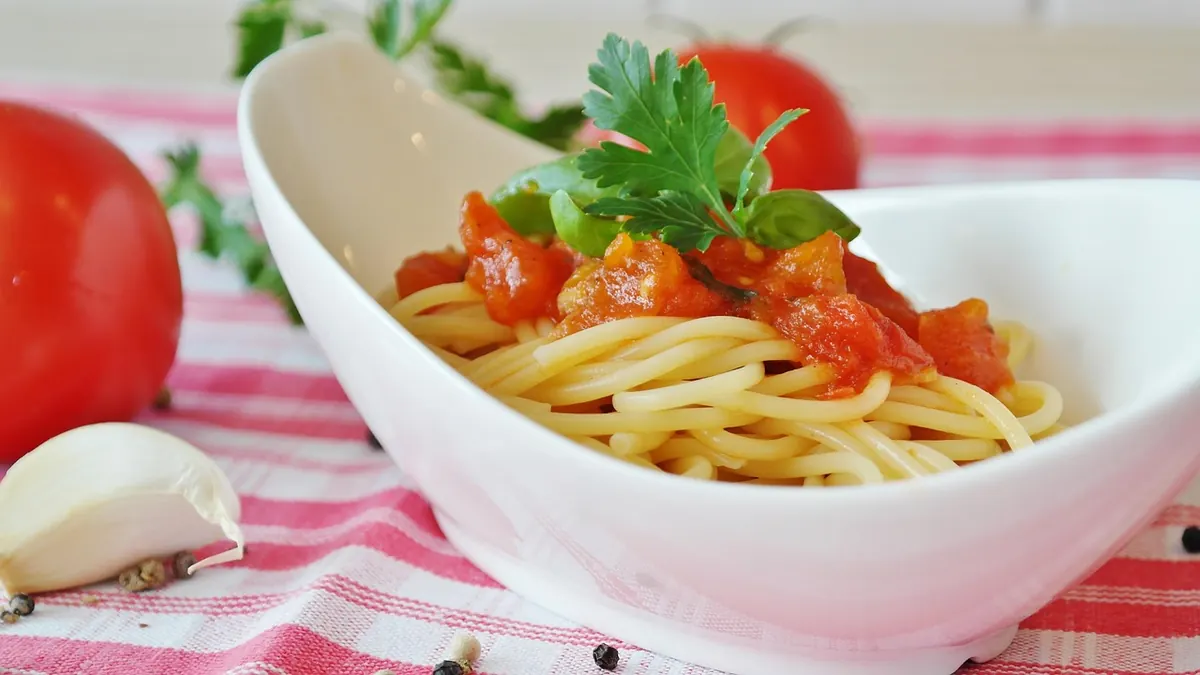
Italian grain cooking is not a museum piece. It grew out of whatever flour was in the sack, whatever beans were dried in the autumn, and whatever pan hung above the fire. That is precisely why it travels so well into a modern kitchen. You do not need a marble slab, a wood oven or a nonna standing behind you. You need decent flour, a heavy pan, a little patience, and the willingness to taste as you go.
What follows are the dishes I cook most often: fresh egg pasta, piadina, a farro soup, an orzotto made with pearl barley. Each one has a home adaptation that keeps the character intact without pretending your kitchen is in Emilia-Romagna. Times are honest ranges, because grain is a living ingredient and a bag of farro from last year behaves differently from this year's.
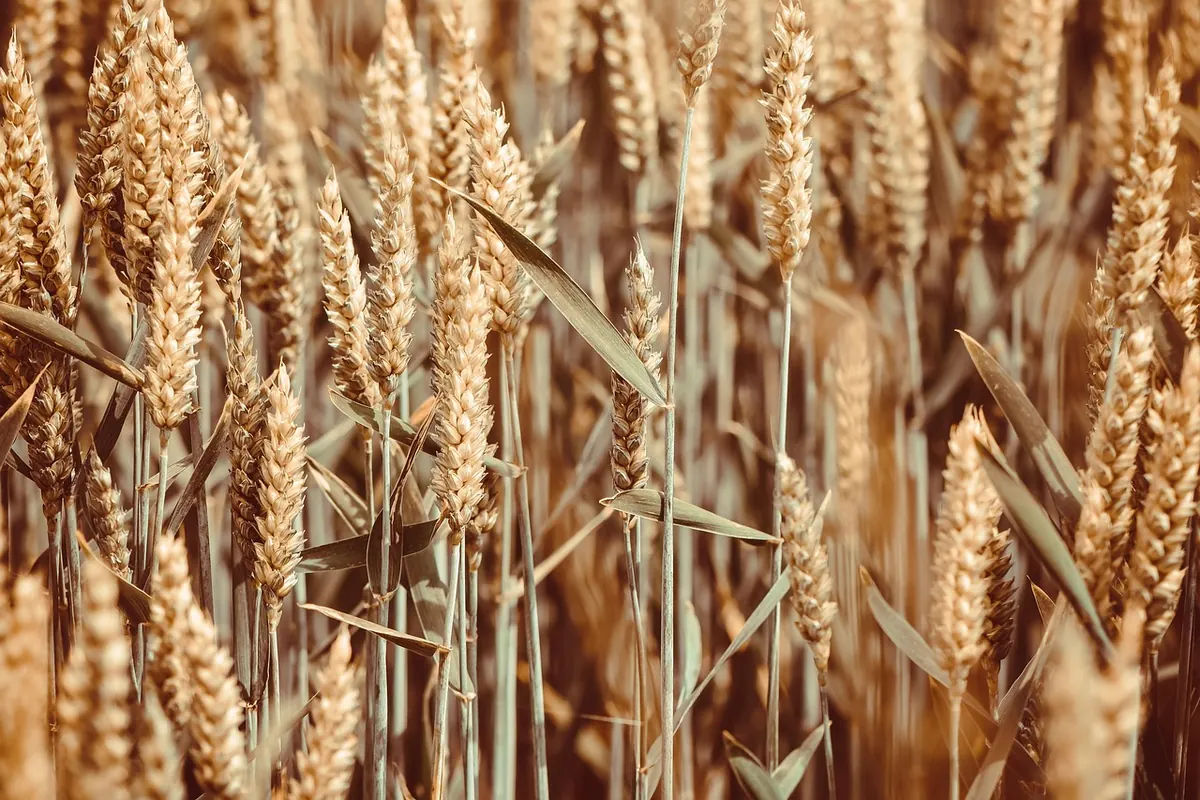
Italian flour labels confuse people, but the system is simple. The numbers 00, 0, 1, 2 and integrale describe how much of the grain has been sifted away, not the strength of the flour. Soft wheat (grano tenero) is labelled this way. Durum wheat is different: ground coarsely, it becomes semola di grano duro, the sandy golden semolina behind dried pasta and much of southern bread.
For home cooking, keep three things in the cupboard:
Wholegrain flours go rancid faster than white ones; keep them cool and buy small. Pearl barley and pearled farro have had part of the outer bran polished off, which is why they cook in half an hour rather than two. Whole farro is worth the time when you have it, but it needs soaking overnight.
The classic ratio is one egg to every 100 g of soft wheat flour, plus a pinch of salt. That is enough for a generous portion for one person. Weigh rather than guess, because egg size varies and a wet dough is miserable to work with.
Cut into ribbons about 6 mm wide for tagliatelle, or into rough diamonds for maltagliati. The offcuts are not waste; maltagliati are the traditional pasta for a pot of borlotti beans, and they thicken the broth in a way no neat shape does. Fresh pasta cooks in two to four minutes in well-salted water. Taste at two.
Piadina Romagnola is flour, water, salt and fat. The traditional fat is lard, which gives the flaky, faintly savoury crumb; olive oil works and is what most of us actually have. A little baking powder is common in home versions and makes the disc softer and easier to roll.
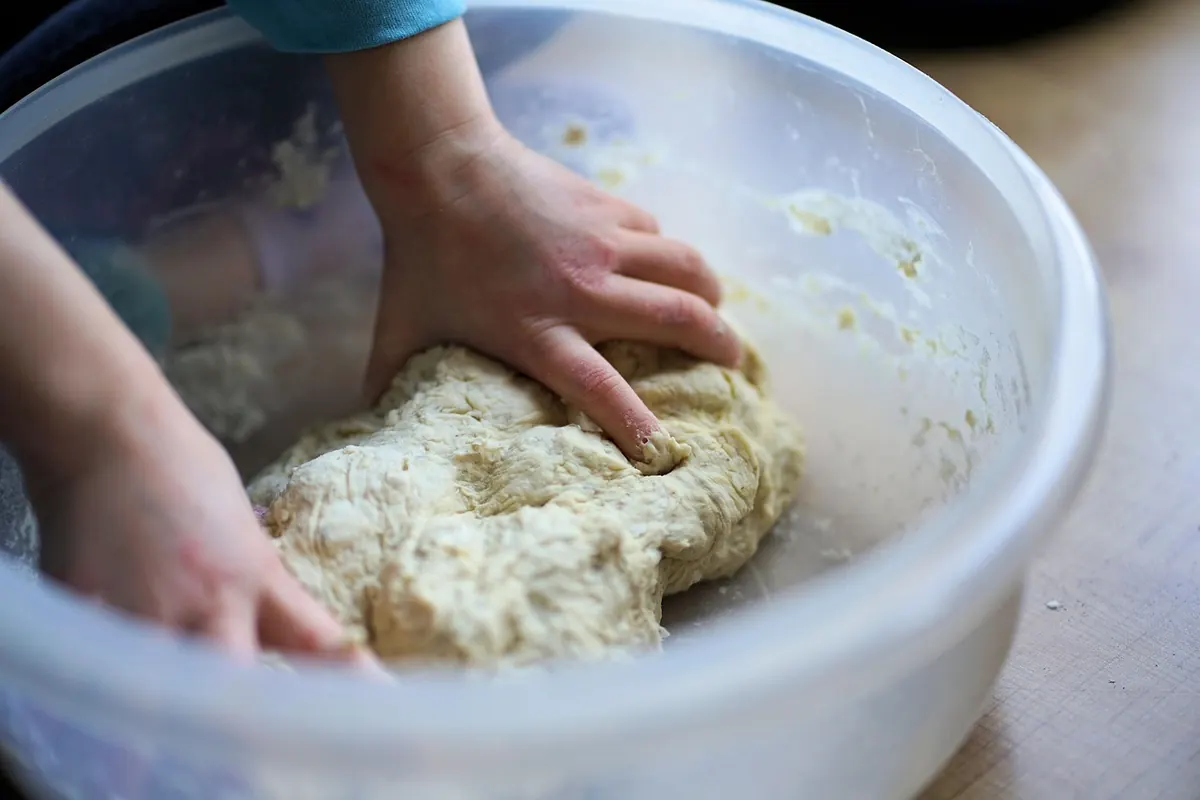
For four piadine: 400 g of 0 or 00 flour, 200 ml of water, 40 g of lard or olive oil, 6 g of salt, a level teaspoon of baking powder. Mix, knead briefly until smooth, then rest the dough, covered, for at least 30 minutes. Divide into balls, roll each one to about 3 mm, prick it all over with a fork, and cook in a dry, very hot cast-iron pan for roughly a minute a side, until dark spots appear and the disc puffs slightly.
The pan should be hot enough that you are slightly nervous about the first one.
Stack the cooked piadine under a clean cloth while you finish the rest. Fill with prosciutto and stracchino, or with wilted greens and pecorino, and fold in half while still warm so the filling softens against the bread.
Farro in Italian shops is usually emmer, sold whole, semi-pearled or pearled. Pearled farro needs no soaking and cooks in about 25 minutes; whole farro wants a night in cold water and closer to 45 to 60 minutes. Cook it like pasta, in plenty of salted boiling water, and drain it while it still has a little resistance at the centre. Spread it on a tray to cool for a salad so it stops cooking.
For a summer farro salad, dress the warm grain with good olive oil, lemon juice and salt before adding anything else — warm grain absorbs dressing, cold grain just wears it. Then fold in halved cherry tomatoes, torn basil, thin shavings of pecorino and a handful of chickpeas. It improves after an hour and keeps for two days.
For soup, build a soffritto of onion, carrot and celery in a heavy pot with olive oil, add a spoonful of tomato paste and let it darken, then add cooked borlotti or cannellini beans, farro and stock. Simmer until the farro is tender, then mash a ladleful of beans against the side of the pot to thicken the broth. Finish with rosemary and a thread of raw olive oil.
Pearl barley makes an excellent risotto-style dish, and it is more forgiving than rice. It releases starch slowly and does not turn to glue if you get distracted for two minutes. Sweat a chopped shallot in butter and oil, add 250 g of pearl barley and toast it for a minute, then add a splash of white wine and let it evaporate.
From there, treat it like risotto: hot stock a ladle at a time, stirred often, for about 25 to 30 minutes. Sliced mushrooms added with the first ladle of stock make the classic version. Finish off the heat with butter and grated parmesan, and let it sit for two minutes before serving, because barley firms up fast and a loose orzotto on the plate is a sad one. A spoonful of the cooking liquid held back is useful insurance.
Most of these dishes stand or fall on the same three habits. First, cook the soffritto slowly: onion, carrot and celery in roughly equal parts, in enough oil to cover the bottom of the pan, for ten minutes rather than three. Rushing this is the single most common reason a grain soup tastes flat.
Second, salt in layers, at the soffritto stage, in the cooking liquid, and again at the end. Third, finish with something raw and cold: a thread of olive oil, torn herbs, a squeeze of lemon, grated cheese. The contrast is what makes a plain bowl of grain and beans taste finished rather than worthy.
Buy grain in small quantities and store it in glass jars away from light; a bag of barley forgotten at the back of a cupboard for two years will never soften properly, no matter how long you boil it. Write the date on the jar.
Cooking times on packets are a guide only, so taste from the twenty-minute mark onward. If your water is very hard, grains take longer; if you live somewhere soft, they can be surprisingly quick.
Finally, a sensible word: farro, barley and wheat all contain gluten, so these dishes are not suitable for anyone with coeliac disease. If you have been advised to change your diet for medical reasons, check with your doctor or a registered dietitian rather than working from a recipe.
Photo: RitaE / Pixabay